What Does A Funeral Celebrant Actually Do?
There Is So Much More To Leading A Funeral Service Than Standing Up Front On The Day
What Does a Funeral Celebrant Actually Do?
By the time I stand up to welcome everyone at a funeral, I’ve usually heard a few good stories about the person we’re there to remember. There’s often one that makes everyone laugh around the kitchen table, followed by someone saying, ‘Oh, you’ve got to tell that one.’
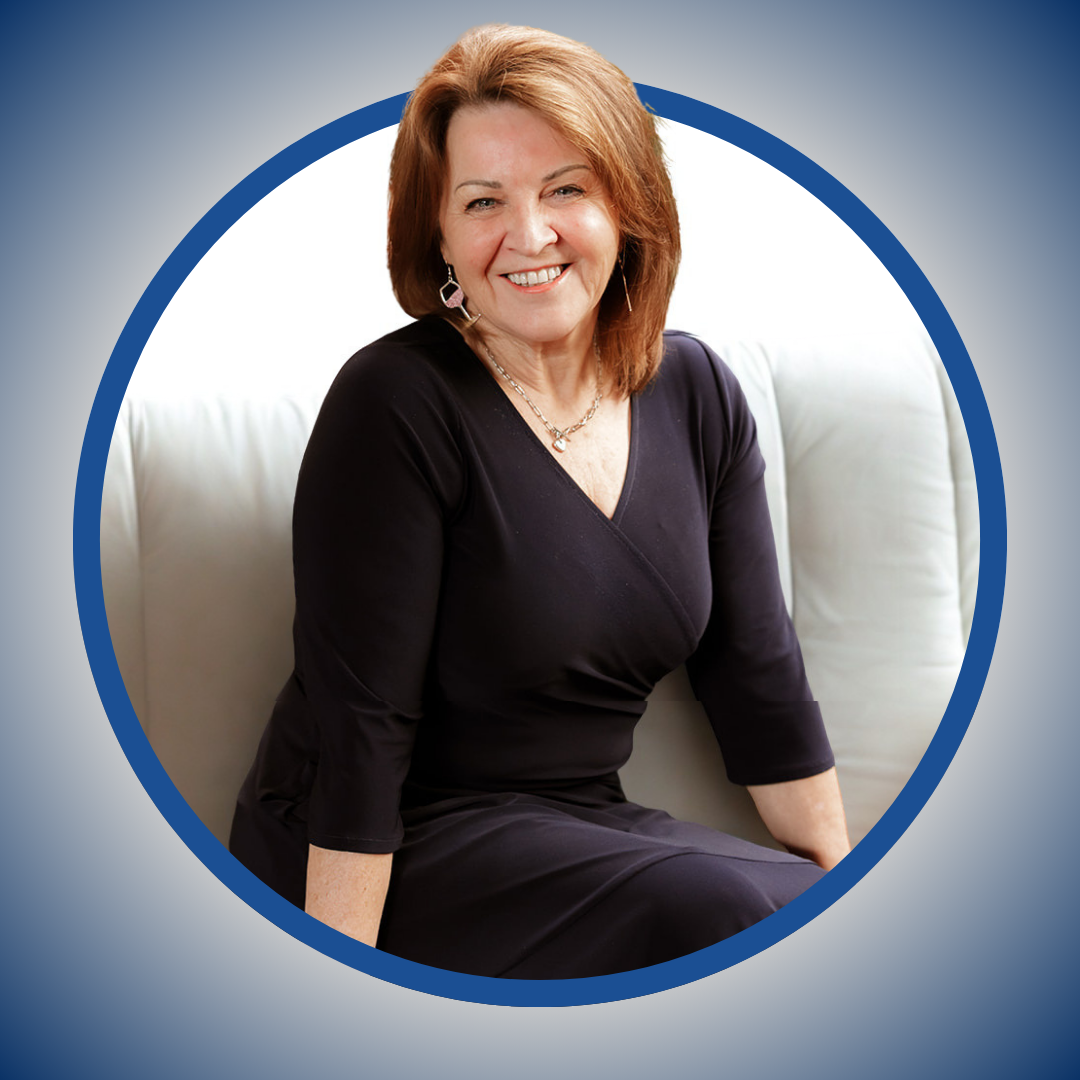
Those conversations are where a funeral service begins to take shape. As a funeral celebrant in Wangaratta and North East Victoria, I spend much of my time listening, writing and making sure all the little details are in place so the people closest to the person who’s died can simply be there on the day.
It starts with a conversation
We might meet in person or talk online, especially when family members live in different places. You can come with a folder full of stories or just a few things you know you want included. Either is a perfectly good place to start.
I’ll ask about the big chapters of their life, but I’m just as interested in the everyday things. What did they always say when you walked through the door? What were they like when they got together with their siblings? What’s the story that gets told every Christmas, even though everyone knows how it ends?
Families can remember the same person quite differently. Sometimes there are complicated relationships, different beliefs or things that need to be handled with care. Part of my role is to listen to those perspectives and help find words that feel honest and respectful. There’s usually a bit of checking in along the way, too. Questions often come up after we’ve spoken, when you’ve had a chance to sit with it all.
I write the service and help you make it personal
Once I’ve heard your stories and we’ve talked about what feels right, I write the ceremony. That includes the welcome, the words that connect each part of the service and, where appropriate, the farewell or committal. Some families ask me to write and deliver the eulogy. Others want to write their own and ask me to give it a read or help shape a tribute.
We can talk through music, readings and small gestures that mean something to your family. That might be a favourite song as people arrive, grandchildren placing flowers, lighting candles in their memory or a moment to pause together before saying goodbye. Some families want a quiet service with very few words. Others have six people who could happily tell stories all afternoon. We work out what will feel right for yours.
I make edits as memories come back or details are clarified, and I check that the spoken ceremony lines up with the printed order of service. If someone is reading or speaking, I’ll let them know when they’re up, where to stand and what we’ll do if they’d like me to take over. Sometimes just knowing I have a copy of their words makes it a little easier to get up there. I liaise with one point of contact for the family to make things easier, I always send that person a draft of the service to ensure that all names and timelines are correct.
There’s a practical side to it, too
I work with the funeral director and, where needed, the crematorium or cemetery staff to confirm timings, music cues and how the farewell will happen. I also think about how people will take part. Can everyone hear? Can someone give their tribute from where they’re sitting? Do we need to leave a little more time for people to come forward and place a flower?
On the day, I check that the microphone works, the music is ready, the speakers know what’s happening and anything we’re using in the ceremony is where it needs to be. At a graveside or another location without a sound system, I may need to set up a portable PA. Even what I wear can be part of the conversation, especially if the family has asked everyone to wear a favourite colour or something that reflects the person we’re remembering. My mother-in-law insisted everyone wore a splash of pink which had many of the family searching the local shops for pink socks or pink ties, we still laugh about it.
And then I lead the service
I welcome the people who’ve gathered, introduce the speakers, guide everyone through the ceremony and bring it to a close. I pay attention to what’s happening in the room. Sometimes that means giving someone a little longer to finish their tribute. Sometimes it means letting the laughter settle before I say another word.
Can there be humour at a funeral? Absolutely. If someone was famous for their dry wit or had a habit their family still teases them about, a well-placed story can make them feel very close for a moment. A room can be laughing one minute and reaching for tissues the next. Both belong there.
If you’re arranging a funeral or memorial in Wangaratta or North East Victoria and wondering where to start, you’re welcome to get in touch. We can begin with a conversation about the person you’d like to remember.